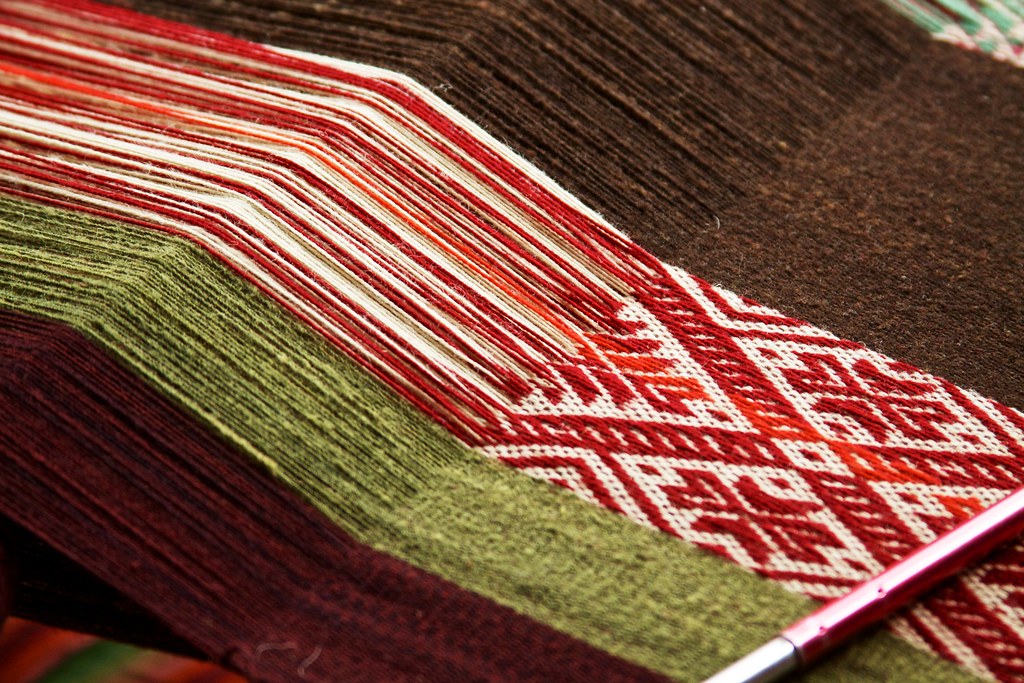
The used textiles initiative is a creative approach to recycling that turns discarded clothing into handcrafted products. This innovative project by Baah is set to make a significant impact on sustainability in fashion.
What is the used textiles initiative?
The used textiles initiative aims to address the growing issue of textile waste by promoting the recycling and repurposing of old clothing. This program encourages individuals and businesses to donate unwanted garments instead of discarding them, significantly reducing landfill contributions.
Through this initiative, organizations like Baah are launching clothing collection drives that transform used textiles into handcrafted products. The initiative not only helps in managing waste but also supports local artisans who create unique items from these materials.
Participants in the program can expect to see a variety of outcomes, including:
- Increased awareness of sustainable fashion practices
- Opportunities for community engagement
- A reduction in carbon footprint associated with textile production
Ultimately, the used textiles initiative seeks to foster a culture of recycling and sustainability in the fashion industry.
How does Baah’s initiative work?
Baah’s initiative operates by collecting used textiles from various sources, including local communities and retail partners. Through this used textiles initiative, the organization aims to reduce waste and promote sustainability in fashion. Here’s how it works:
- Collection Points: Baah sets up designated collection bins in strategic locations, encouraging individuals to drop off their unwanted clothing.
- Sorting Process: Once collected, the textiles are sorted based on their condition and fabric type, determining their potential for reuse or recycling.
- Handcrafted Products: The usable garments are then transformed into unique handcrafted items, such as bags and accessories, by local artisans.
- Community Engagement: Baah works closely with community members, providing workshops to educate them about textile recycling and sustainable practices.
This initiative not only helps divert waste from landfills but also supports local craftsmanship and sustainability efforts.
The impact of recycling textiles
The impact of recycling textiles extends beyond environmental benefits, influencing social and economic aspects as well. The used textiles initiative aims to reduce waste by transforming discarded clothing into valuable products. This initiative not only helps in minimizing landfill contributions but also encourages sustainable consumer habits.
By participating in such programs, communities become more aware of their consumption patterns, which can lead to a cultural shift towards sustainability. Additionally, recycling textiles can create job opportunities in the local economy, from collection processes to the crafting of new items.
When consumers engage with initiatives like Baah’s, they contribute to a circular economy where materials are reused rather than discarded. This not only lessens the demand for new textiles but also promotes innovative approaches to fashion that prioritize sustainability and ethical production practices.
Benefits of handcrafted products
The used textiles initiative presents numerous benefits, particularly through its focus on handcrafted products. By transforming discarded fabrics into unique items, this approach not only reduces waste but also supports sustainable fashion practices.
Some key advantages of handcrafted products from the used textiles initiative include:
- Environmental Impact: Repurposing textiles minimizes landfill waste and decreases the demand for new materials.
- Support for Artisans: This initiative often collaborates with local artisans, providing them with a source of income while promoting their craftsmanship.
- Unique Offerings: Each product created is one-of-a-kind, appealing to consumers looking for distinctive items.
- Awareness and Education: The initiative raises awareness about textile waste and encourages responsible consumer behavior.
Overall, the used textiles initiative fosters a circular economy while celebrating creativity and sustainability.
By mckaysavage via Openverse