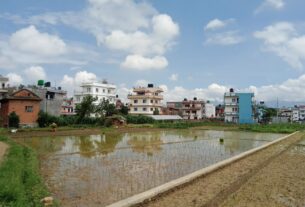
Olive cultivation pilot is a new initiative in Assam aimed at promoting sustainable agriculture. The state government has launched this pilot program to explore the potential of olive farming in the region.
Overview of the olive cultivation pilot
The recent launch of the olive cultivation pilot in Assam marks a significant step towards diversifying agricultural practices in the region. This initiative aims to explore the viability of olive farming, which has not been traditionally practiced in Assam. By implementing this pilot project, local farmers will gain access to the best proven methods for success in olive cultivation.
The pilot will focus on several key components to ensure effective olive farming:
- Soil Preparation: Proper soil testing and amendments will be essential to create an ideal environment for olive growth.
- Irrigation Techniques: The project will review and implement advanced irrigation schemes to optimize water usage and support the young olive trees.
- Plant Selection: The selection of suitable olive varieties will be critical, as it will determine the adaptability to Assam’s climate.
- Training and Support: Farmers will receive training on best cultivation practices, pest management, and post-harvest handling.
This olive cultivation pilot not only seeks to enhance local agricultural output but also aims to promote sustainable farming practices, potentially leading to improved livelihoods for Assam’s farmers. As the project progresses, its impact on the local economy and agricultural landscape will be closely monitored.
Importance of irrigation in agriculture
Irrigation plays a crucial role in the success of agricultural practices, particularly in olive cultivation. Effective water management is essential to ensure healthy growth and optimal yield in olive groves. In the context of the olive cultivation pilot, the implementation of effective irrigation strategies can significantly enhance the chances of success.
One of the key benefits of proper irrigation is the ability to maintain soil moisture levels, which is vital for the development of olive trees. Insufficient water can lead to stress, affecting fruit quality and quantity. Thus, implementing irrigation systems that cater to the specific needs of olive trees is essential.
There are several proven methods of irrigation that can be utilized in olive cultivation:
- Drip irrigation: This method delivers water directly to the root zone, minimizing evaporation and runoff.
- Sprinkler systems: These systems can cover larger areas and are effective in providing uniform water distribution.
- Subsurface irrigation: Placing irrigation lines below the soil surface can conserve water and reduce weed growth.
By adopting these methods in the olive cultivation pilot, farmers can ensure that their trees receive the necessary hydration for robust growth and enhanced productivity.
Challenges faced in olive farming
Olive cultivation can be rewarding, but it also presents various challenges that farmers must navigate to ensure a successful harvest. The olive cultivation pilot in Assam aims to address these challenges through innovative approaches and proven methods.
One of the primary challenges is the adaptation of olive trees to local climates. While olives thrive in Mediterranean climates, Assam’s conditions may differ significantly. Farmers must carefully select varieties that can withstand the region’s unique weather patterns.
Additionally, soil quality plays a crucial role in olive production. Poor soil health can lead to stunted growth and reduced yields. To combat this, farmers participating in the pilot are encouraged to conduct soil tests and amend their soil with organic matter and nutrients.
Water management is another significant hurdle. Although irrigation was previously discussed, the efficiency of water use remains a concern. Farmers need to implement effective irrigation techniques to manage water resources sustainably.
Lastly, pest and disease management is vital for healthy olive trees. Farmers must stay informed about potential threats and adopt integrated pest management practices to minimize losses.
By addressing these challenges head-on, the olive cultivation pilot can serve as a model for successful olive farming in Assam and beyond.
Government support for farmers
The recent launch of the olive cultivation pilot in Assam has garnered significant government support aimed at empowering local farmers. This initiative is designed to provide essential resources and guidance to those venturing into olive farming, ensuring they have the tools needed for success.
One of the key components of this support is the provision of financial assistance for farmers willing to adopt innovative olive cultivation methods. This funding is intended to cover costs related to soil testing, sapling procurement, and irrigation system installation. Additionally, the government has committed to facilitating access to expert training programs, allowing farmers to learn best practices in olive cultivation.
Furthermore, the government is implementing a series of workshops and informational sessions that focus on the advantages of olive farming, including its potential for sustainable agriculture and economic growth. These sessions will cover:
- Soil management techniques
- Integrated pest management
- Efficient irrigation methods
By equipping farmers with the necessary knowledge and resources, the olive cultivation pilot aims to enhance productivity and create a robust olive industry in the region. With continued government support, farmers can look forward to a promising future in olive farming.
Benefits of olive cultivation
Olive cultivation offers numerous benefits that enhance both agricultural practices and local economies. The recent olive cultivation pilot initiated in Assam aims to leverage these advantages, providing a sustainable option for farmers. Some of the primary benefits include:
- Economic growth: By diversifying crops, farmers can increase their income potential. Olive oil is in high demand, both locally and internationally, leading to greater profit margins.
- Soil health: Olive trees are known for their deep root systems, which help improve soil structure and prevent erosion. This contributes positively to the land’s overall health and sustainability.
- Water conservation: Olive trees require less water compared to other crops. This makes them an ideal choice in regions facing water scarcity, aligning with the importance of efficient irrigation practices.
- Job creation: The establishment of olive farms can create jobs in rural areas, from cultivation to processing and distribution of olive products.
- Environmental benefits: Olive cultivation can enhance biodiversity and support local ecosystems, making it a valuable addition to sustainable agricultural practices.
Overall, the olive cultivation pilot not only presents an opportunity for increased agricultural output but also fosters community development and ecological balance.
Success stories from other regions
Across various regions, successful olive cultivation pilots have demonstrated the potential of this crop to thrive under different climatic and soil conditions. These stories not only inspire but also provide valuable insights into best practices for aspiring olive farmers.
In Spain, where olive cultivation is a longstanding tradition, innovative irrigation techniques have been pivotal. Farmers have adopted drip irrigation systems that minimize water use while maximizing yields. This method allows for precise water delivery directly to the roots, significantly enhancing the growth and quality of the olives.
Similarly, in California, olive growers have benefited from integrated pest management strategies. By combining biological control methods with traditional practices, they have successfully reduced pest-related losses while maintaining high-quality produce. This holistic approach has proven essential in increasing the profitability of olive farming.
Furthermore, in Italy, the emphasis on organic farming has led to a surge in the production of premium olive oil. Farmers participating in the olive cultivation pilot have adopted organic practices that not only improve soil health but also appeal to the growing market for environmentally sustainable products.
These examples illustrate that with the right techniques and support, olive cultivation can yield remarkable results, encouraging more regions to consider similar pilots for success.
Future of agriculture in Assam
The future of agriculture in Assam looks promising with the introduction of the olive cultivation pilot. This initiative not only aims to diversify the agricultural landscape of the region but also to boost the income levels of local farmers. As the demand for olives continues to rise globally, Assam is strategically positioning itself to capitalize on this trend.
One of the key aspects of this pilot is the emphasis on sustainable farming practices that align with the environmental conditions of the region. Farmers are being trained in modern cultivation techniques that ensure higher yields while minimizing the ecological footprint. This approach not only enhances productivity but also promotes the health of the soil and local biodiversity.
Additionally, the pilot program includes extensive research and development efforts to identify the most suitable olive varieties for Assam’s climate, ensuring that the cultivation efforts are both effective and resilient against potential challenges such as pests and diseases.
With government support and ongoing training programs, local farmers are optimistic about the prospects of olive farming. They recognize that successful implementation of the olive cultivation pilot could lead to a new agricultural era in Assam, transforming the region into a key player in the olive market.
The vision for the future focuses on innovation, sustainability, and community engagement, paving the way for a thriving agricultural sector in Assam.
Conclusion and next steps
In conclusion, the olive cultivation pilot represents a significant step forward in diversifying agriculture in Assam. With the right methods and practices, farmers can tap into the growing demand for olives and olive oil, providing them with a lucrative source of income. The importance of implementing effective irrigation techniques cannot be overstated, as water management plays a crucial role in the successful growth of olive trees.
Moving forward, it is essential that stakeholders continuously evaluate the outcomes of the pilot project. This includes:
- Monitoring crop health and production levels
- Engaging with farmers to gather feedback on the cultivation process
- Providing ongoing training and resources to enhance farming techniques
- Exploring partnerships with agricultural experts to introduce innovative practices
- Assessing market trends to ensure that farmers are well-informed about pricing and demand
Through these steps, the olive cultivation pilot can serve as a model for future agricultural initiatives. Success in this endeavor not only promises economic benefits for local farmers but also contributes to the overall sustainability and resilience of the agricultural sector in Assam. By learning from both successes and challenges, the pathway to a flourishing olive industry can be paved, ensuring a bright future for farmers in the region.