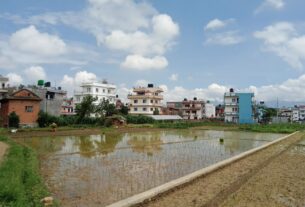
The crop insurance scheme has covered nearly 13 lakh farmers in J&K, providing essential financial support and security against crop losses.
Overview of the Crop Insurance Scheme
The Crop Insurance Scheme has emerged as a vital support system for farmers, especially in regions prone to climatic uncertainties. Recently, the J&K government reported that nearly 13 lakh farmers are now covered under this initiative, highlighting its significance in safeguarding agricultural livelihoods.
This scheme aims to provide financial protection against crop loss due to unforeseen circumstances such as natural disasters, pests, and diseases. By mitigating the risks associated with farming, the Crop Insurance Scheme encourages farmers to invest in better farming practices and technology.
Key features of the scheme include:
- Affordable premium rates for farmers
- Quick claim settlement processes
- Comprehensive coverage for various crops
Overall, the Crop Insurance Scheme plays a crucial role in enhancing agricultural sustainability and ensuring food security in the region.
Benefits of Crop Insurance for Farmers
The Crop Insurance Scheme provides essential support to farmers, helping them mitigate financial risks associated with unexpected events. This initiative plays a pivotal role in safeguarding their livelihoods. Here are some key benefits:
- Financial Security: The scheme offers a safety net to farmers, ensuring they receive compensation for crop losses due to natural disasters.
- Encouragement for Investment: With reduced risks, farmers are more likely to invest in better seeds, fertilizers, and technology, leading to increased productivity.
- Stability in Income: Regular payouts can help maintain a steady income flow, allowing farmers to plan for future planting seasons.
- Risk Management: By participating in the Crop Insurance Scheme, farmers can better manage the unpredictability of weather and market fluctuations.
Overall, the scheme enhances resilience among farmers, ensuring they can recover and thrive despite challenges.
How to Apply for Crop Insurance
Farmers interested in securing their livelihoods through the crop insurance scheme can follow a straightforward application process. The first step is to visit the official website of the relevant agricultural department or insurance provider. Here, farmers can find detailed information about the scheme, including eligibility criteria and required documentation.
To apply, farmers must provide:
- Identity proof: A government-issued ID to confirm their identity.
- Land ownership details: Documentation that proves ownership or tenancy of the farmland.
- Crop details: Information about the type of crops being cultivated and their estimated yield.
- Bank account information: For direct transfer of claims, if necessary.
After completing the application, farmers should submit it to the designated office before the stipulated deadline to ensure coverage under the crop insurance scheme.
Challenges Faced by Farmers
Despite the advantages offered by the crop insurance scheme, farmers still face numerous challenges that can undermine its effectiveness. One significant issue is the awareness of the scheme itself; many farmers remain uninformed about the eligibility criteria and application process. Additionally, delays in claim settlements can lead to financial distress, leaving farmers without timely support during critical times. The valuation of crops often becomes contentious, as discrepancies in assessments can result in inadequate compensation for losses.
Furthermore, the scheme’s coverage can sometimes be limited, leaving certain crops or regions without sufficient protection. Inconsistent weather patterns and unforeseen disasters can also complicate the claims process, making it challenging for farmers to receive the aid they need. Overall, while the crop insurance scheme aims to provide essential support, addressing these challenges is crucial for ensuring that it fulfills its promise to the farming community.
Recent Statistics on Coverage
Recent statistics highlight the significant reach of the crop insurance scheme, particularly in Jammu and Kashmir. According to the latest reports, nearly 13 lakh farmers have been successfully covered under this initiative. This substantial figure reflects the government’s commitment to providing financial security to those reliant on agriculture.
The crop insurance scheme aims to mitigate the risks associated with unpredictable weather patterns and market fluctuations. In a region where farming is a primary source of livelihood, such support is crucial. The data reveals that:
- 70% of the enrolled farmers have reported increased confidence in their agricultural practices.
- The scheme has been instrumental in helping farmers recover from losses due to natural disasters.
- Many participants are now investing in better seeds and technology, thanks to the assurance provided by the insurance.
Overall, these statistics underscore the importance of the crop insurance scheme in enhancing the resilience of farmers.
Government Initiatives in Agriculture
The government has launched various initiatives aimed at strengthening the agricultural sector, particularly through the crop insurance scheme. These programs are designed to provide financial security to farmers facing unpredictable weather patterns and crop failures.
One significant initiative is the Pradhan Mantri Fasal Bima Yojana, which offers affordable insurance premiums and ensures timely compensation. Additionally, the government has been actively promoting awareness regarding the scheme to encourage more farmers to enroll.
Several states have also introduced their own versions of crop insurance schemes, tailoring them to local needs and challenges. For instance, in Jammu and Kashmir, nearly 13 lakh farmers have been covered under this scheme, highlighting the government’s commitment to safeguarding agricultural livelihoods.
Furthermore, ongoing assessments and feedback from farmers are being utilized to enhance the effectiveness of these initiatives, ensuring that they meet the evolving needs of the agricultural community.
Future of Crop Insurance in J&K
The future of the crop insurance scheme in Jammu and Kashmir (J&K) appears promising, as recent government efforts aim to enhance coverage and support for local farmers. With nearly 13 lakh farmers currently enrolled, the initiative is poised to expand, providing crucial financial protection against unpredictable weather and crop failures.
To sustain this momentum, several strategies are being considered:
- Awareness Campaigns: Increasing outreach to educate farmers about the benefits and application process of the crop insurance scheme.
- Technological Integration: Implementing digital platforms to streamline claims and improve transparency.
- Customized Policies: Developing tailored insurance products that cater to the diverse agricultural landscape of J&K.
With ongoing government support and innovative approaches, the crop insurance scheme could significantly bolster farmers’ resilience in the region.
Success Stories from Farmers
Across the region, numerous farmers have shared their success stories, highlighting the transformative impact of the crop insurance scheme on their livelihoods. Many have reported that this initiative has provided them with a safety net during unpredictable weather patterns and pest infestations.
- Ramesh Kumar, a wheat farmer from Anantnag, expressed gratitude, stating that the compensation he received after a hailstorm helped him restart his farming activities quickly.
- Amina Bhat, a vegetable grower, noted that the scheme allowed her to invest in better seeds, which significantly boosted her yield this season.
- Rajesh Singh shared that before enrolling in the crop insurance scheme, he often worried about losing his crops. Now, he feels more secure and can focus on expanding his farm.
These stories illustrate how the crop insurance scheme is becoming a crucial support system for farmers, enhancing their resilience and economic stability.